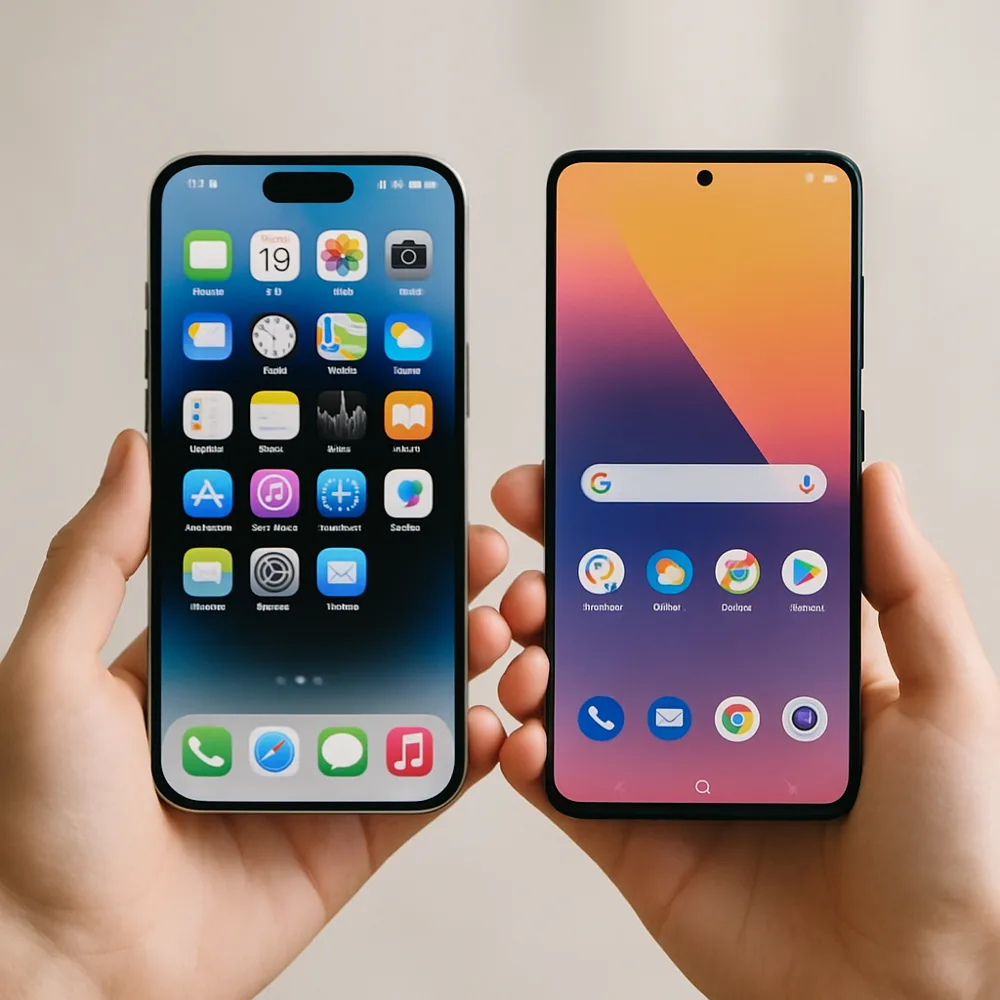
Good video calls depend on more than the front camera's resolution. Look for reviews that describe exposure, skin tones, focus, and performance in indoor lighting, where many calls happen. A camera that handles bright windows and dim rooms gracefully can be more useful than one with a larger number on its specification sheet. Check whether the camera stays focused when you move naturally during a conversation.
Sound matters just as much. Clear microphones, effective noise handling, and speaker quality make a call easier to follow. If you often call in noisy places, look for tests that mention voice pickup in those conditions. Screen size and viewing angles affect how comfortable it is to see other participants, while a stable connection depends on your home network and mobile service as well as the phone.
Consider how you hold or prop up the phone during calls. Weight, grip, camera placement, and battery life can all affect longer sessions. Check that your preferred calling apps are available and work well on the device's software. Before an important call, test lighting, sound, and network quality with a friend. A phone that combines dependable connectivity, comfortable viewing, and consistent audio is often a better choice than one chosen solely for its selfie camera.