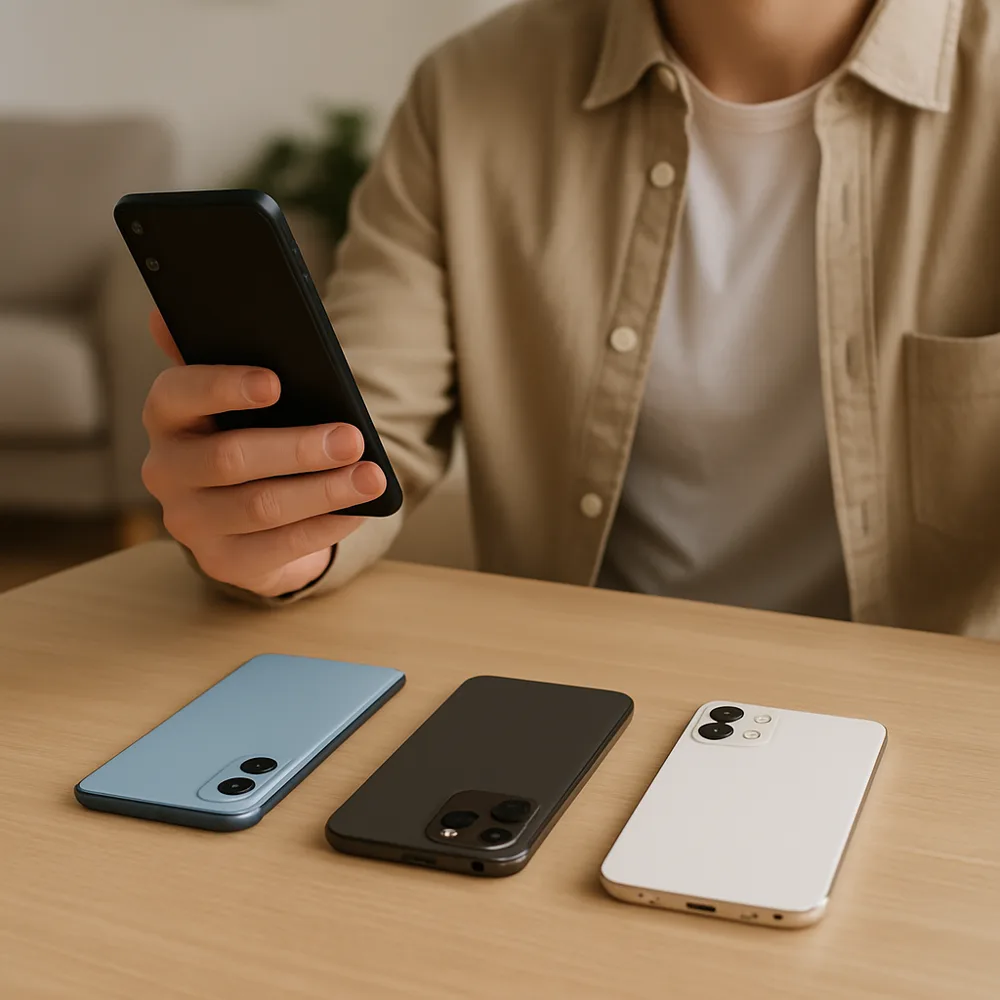
Start a phone comparison with a list of your top three priorities. These might be a comfortable size, dependable battery life, strong low-light photos, or long software support. Put those needs beside the two models and look for evidence from hands-on reviews. A specification can suggest what to expect, but it rarely tells the entire story of how a phone feels during ordinary use.
Compare screen readability, weight, charging options, storage, durability, and update commitments. For cameras, examine sample images rather than counting lenses or megapixels. For performance, look for reports about everyday responsiveness and sustained use, not only short benchmark tests. Also check features that are easy to overlook, such as eSIM support, expandable storage, repair availability, or compatibility with accessories you already own.
Separate meaningful differences from minor ones. If both phones meet your needs, a small advantage in a benchmark or a feature you will rarely use may not justify choosing one over the other. Consider the full ownership picture, including warranty, repair access, and how long you intend to keep the device. A simple comparison table with your priorities can make the decision clearer and reduce the temptation to chase specifications for their own sake.