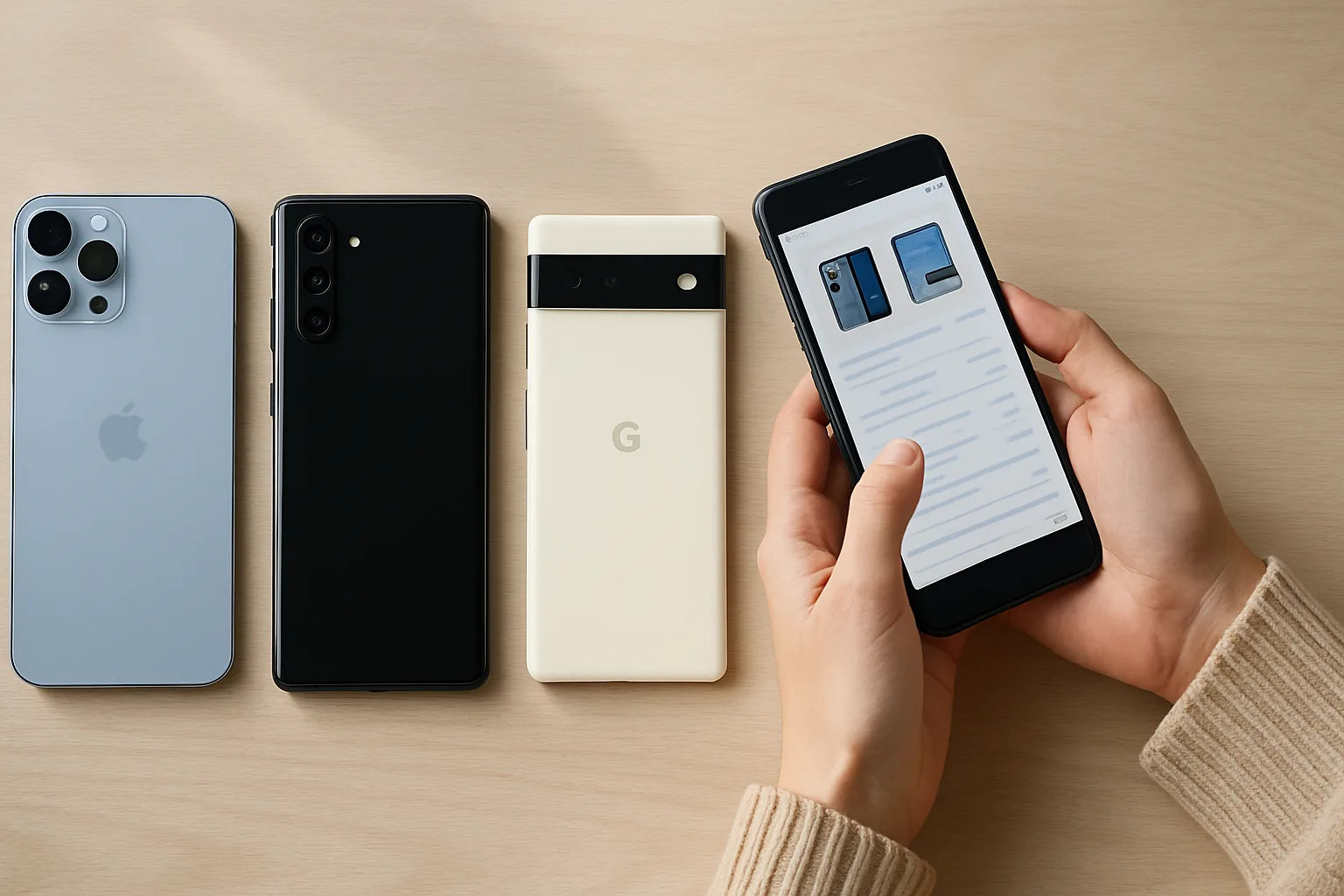
Before comparing phone specifications, think about how you use a phone on an ordinary day. Consider whether you take lots of photos, watch video during commutes, play demanding games, or mostly message and browse. Your routine helps distinguish useful features from impressive-sounding extras. A frequent traveler may value battery endurance and reliable connectivity, while someone who reads often may prefer a comfortable screen and manageable weight.
Set a realistic budget and decide which qualities are essential, desirable, and unimportant. Screen size, storage, camera versatility, water resistance, and software support can all influence the experience, but not everyone needs the most advanced version of each. Check whether the phone receives regular security updates and whether its maker offers service options where you live. These practical considerations matter long after the unboxing.
When comparing candidates, read reviews that describe real-world behavior, not just lab results. Look for comments about one-handed use, indoor photos, battery consistency, and software annoyances. If possible, handle a display model to assess grip and reach. The best choice is not automatically the most powerful phone; it is the one whose strengths match your priorities without making you pay for features you will rarely use.