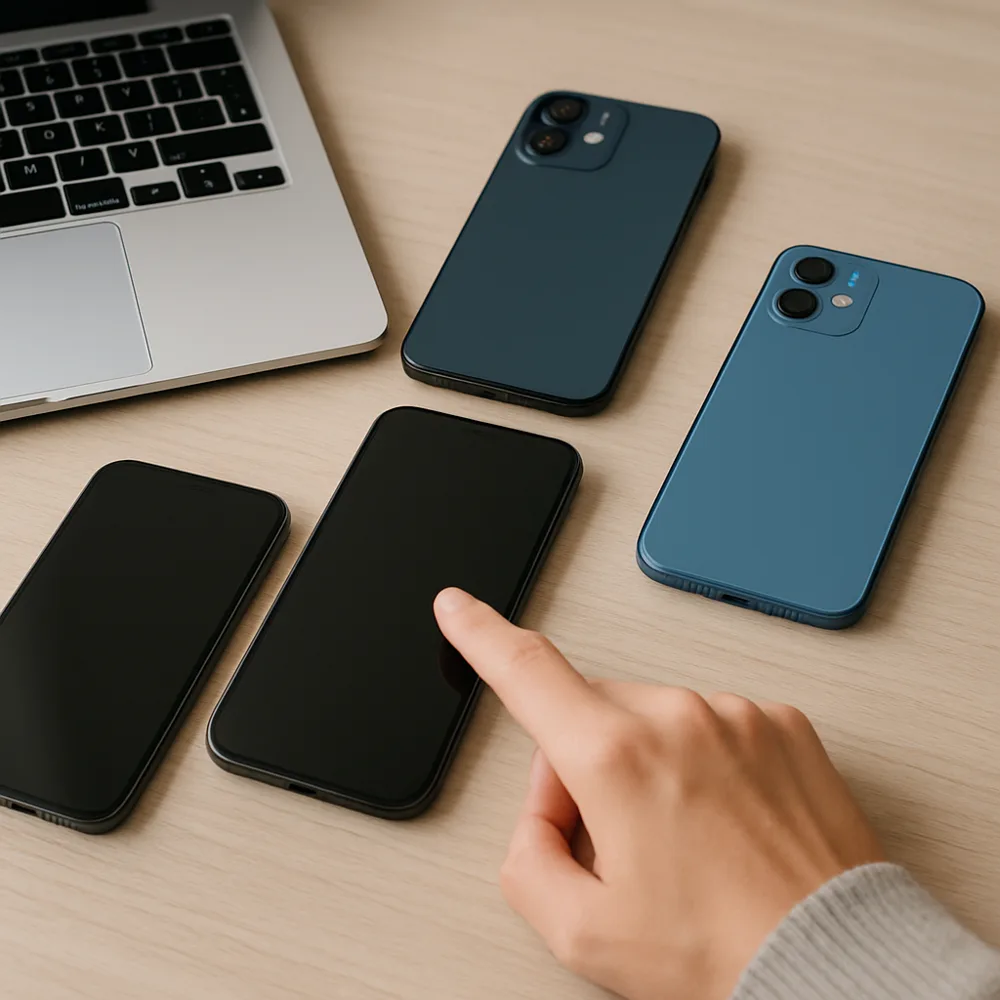
The choice between iPhone and Android is less about one platform being universally better and more about which fits your habits. iPhones offer a consistent interface across a relatively focused range of devices. Android phones come from many manufacturers, with more variation in size, design, software features, and price. Think about how much choice you want and how comfortable you are learning a different interface.
Your other devices can make a difference. If you already use a laptop, tablet, watch, or earbuds, check how smoothly each phone platform works with them. Consider the services you rely on, such as cloud storage, photo libraries, messaging, and password management. Moving platforms is possible, but transferring data and replacing familiar apps can take time. A platform that fits your existing setup may make daily tasks simpler.
Compare specific models rather than relying on broad platform stereotypes. Camera quality, update commitments, accessibility tools, repair options, and battery life vary by device. Try both systems if you can, paying attention to settings, notifications, and the way you organize apps. Also consider how long you plan to keep the phone. The right decision is the one that feels comfortable now and remains practical for your expected ownership period.