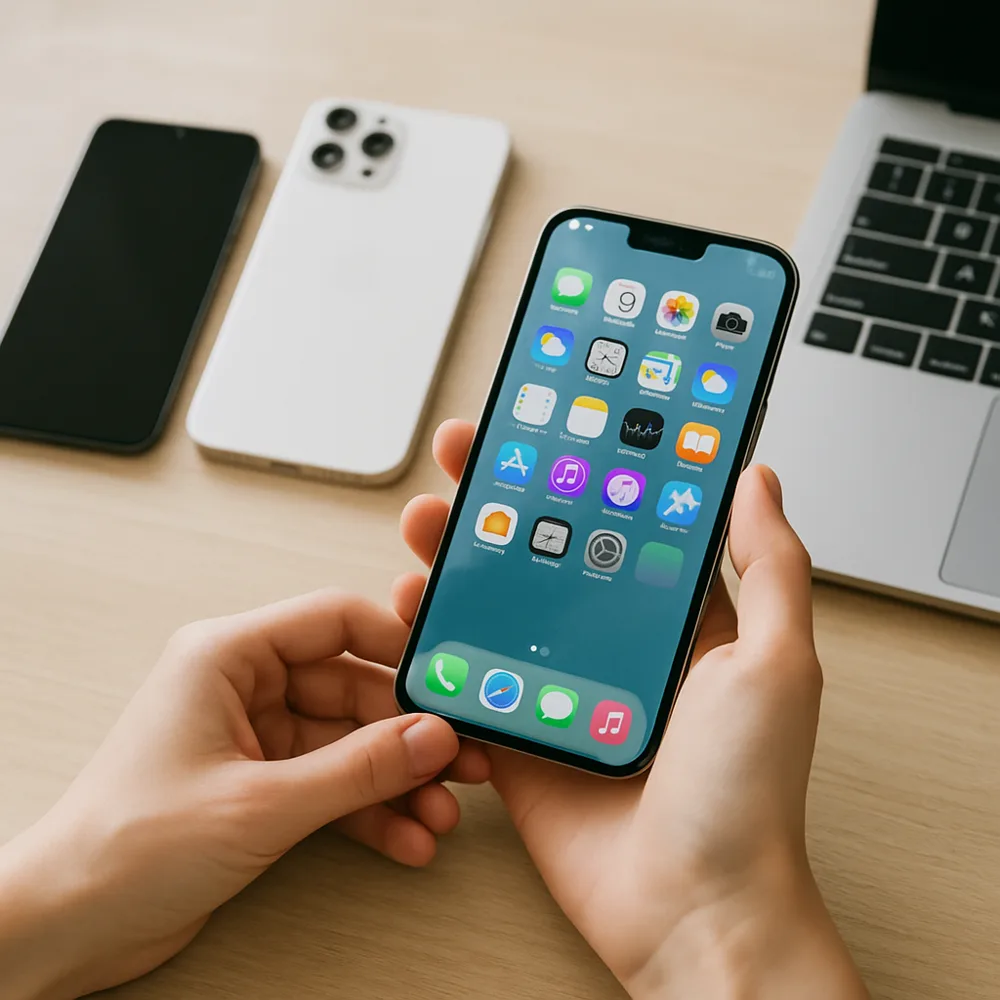
Megapixels describe image resolution, or how many picture elements make up a photo. More resolution can help when cropping or making large prints, but it does not guarantee a better-looking image. A camera also depends on its sensor, lens, focus system, image processing, and ability to handle difficult lighting. Two phones with different megapixel counts can produce photos that look very similar at everyday screen sizes.
For a useful comparison, inspect sample photos taken in conditions you care about. Look at faces, moving subjects, indoor scenes, bright skies, and low light. Check whether colors seem natural and whether fine details look clear rather than artificially sharpened. Pay attention to focus speed and shutter behavior, because a theoretically detailed shot is not much help if the moment is missed or a moving subject appears blurred.
Consider the whole camera system, including ultrawide and telephoto options, stabilization, video controls, and the quality of the front camera. Some phones use computational processing to combine information and improve a shot automatically. That can be helpful, but processing preferences differ. Read reviews that show original examples when available, and compare the camera features you will actually use instead of choosing solely by the largest resolution figure.