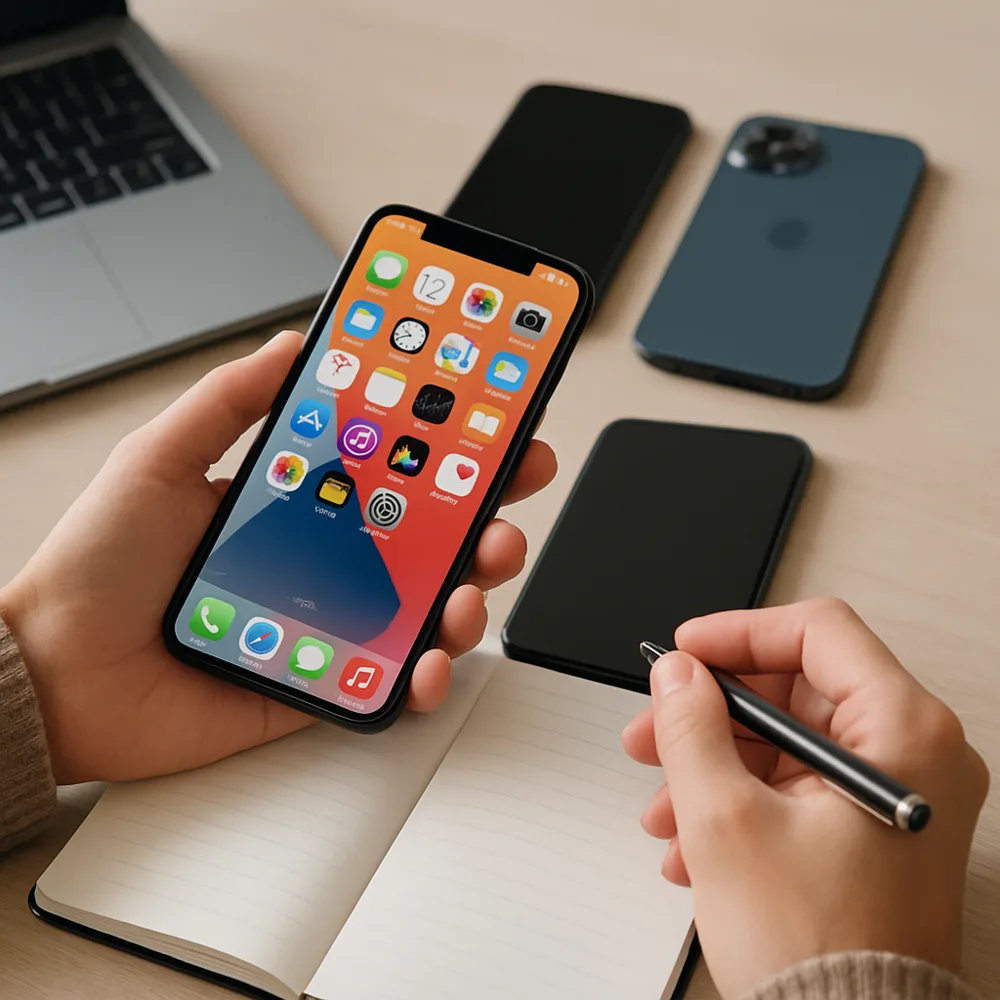
A water-resistance rating indicates that a phone was tested under specific conditions, not that it is waterproof in every situation. The test may involve controlled immersion or exposure, but real life includes pressure, movement, soap, salt, and temperature changes. Water resistance can also decline with age, drops, repairs, or wear. Look up the exact rating and limitations for your model in its official documentation.
Do not assume that a splash-safe phone is suitable for swimming, bathing, or use in a sauna. Liquids other than fresh water can be more damaging, and moisture inside a charging port may prevent safe charging. If the phone gets wet, follow the manufacturer's drying guidance. Avoid inserting objects into the port, using direct heat, or connecting a charger while moisture warnings are present.
Water resistance is a useful layer of protection against accidents, but it should not replace careful handling. Keep the device away from pools and sinks when possible, and use a protective case suited to your activities if you need extra coverage. If liquid exposure leads to persistent glitches, sound problems, or charging trouble, arrange a professional assessment. Check warranty terms too, because liquid damage may be treated differently from ordinary faults.