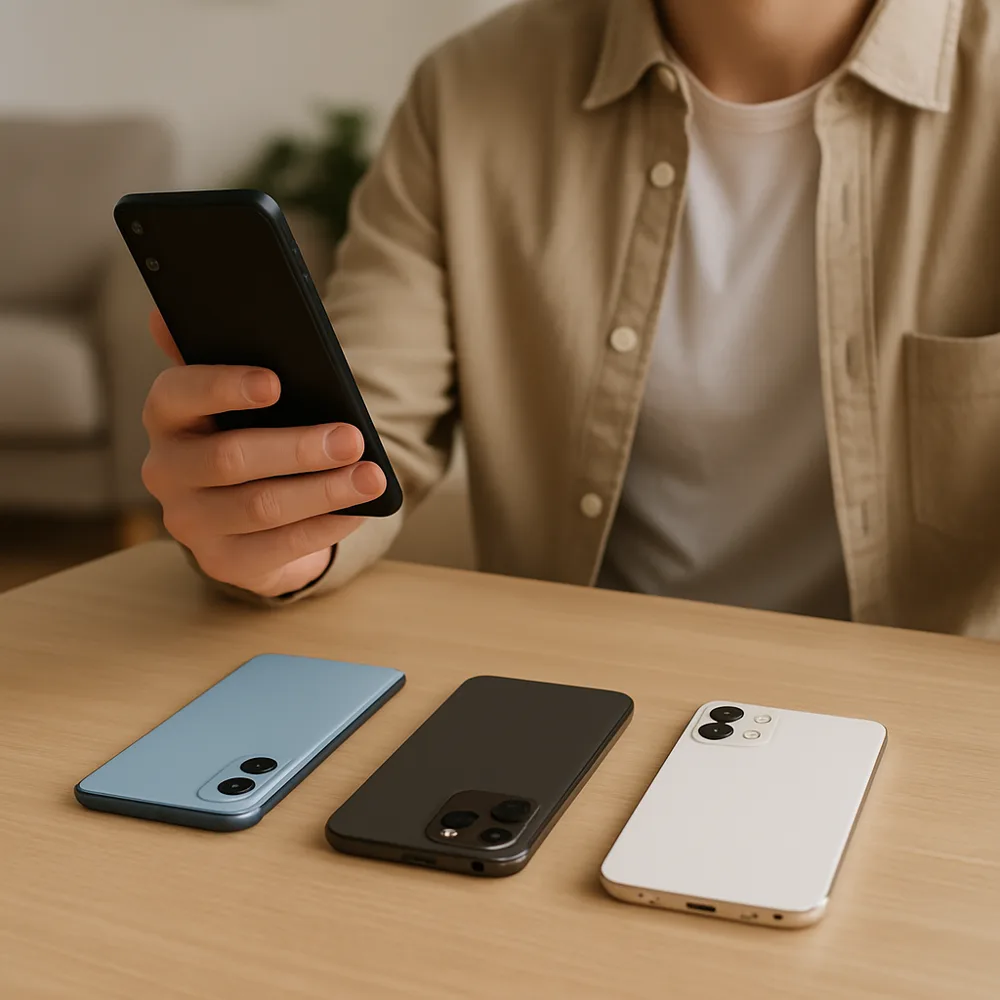
A budget phone can handle everyday tasks well when its strengths match your needs. Begin with the basics: comfortable handling, a readable screen, reliable calls, enough storage, and battery life that suits your routine. If you take many photos, examine camera samples rather than assuming a multi-lens design guarantees good results. If you rely on maps or video calls, pay attention to performance and connectivity reviews.
Software support deserves special attention at lower prices. Check the maker's stated update policy for the exact model and how long security updates are expected. A phone that costs less up front may be a poor fit if it stops receiving important updates soon. Also look into repair availability, warranty coverage, and whether common parts such as screens or batteries can be serviced in your area.
Compare complete models, including storage versions and carrier compatibility, rather than selecting by a single specification. Older flagship phones can sometimes be appealing alternatives, but assess battery condition, remaining support, and repair risks if buying used. Read reviews focused on everyday responsiveness and long-term use. A sensible budget choice does not need every premium feature; it needs dependable essentials and a level of support that fits how long you plan to keep it.